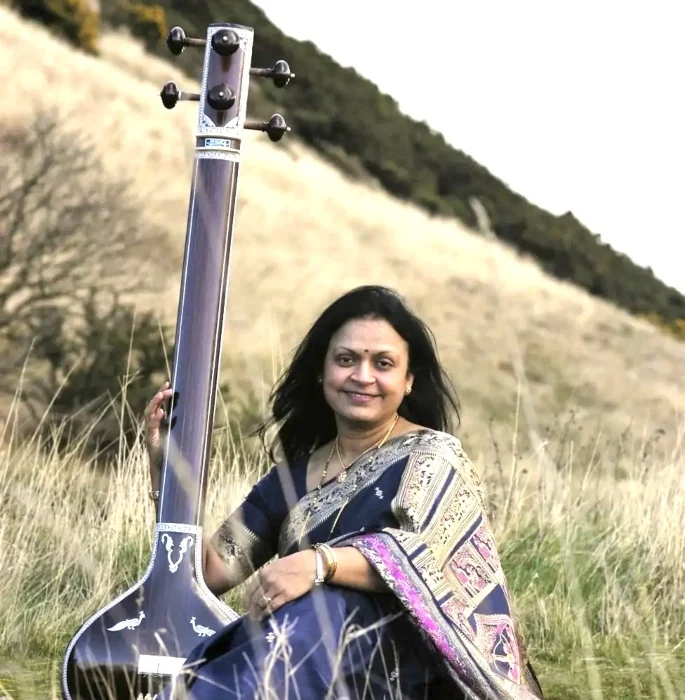
“I like to exhibit a positive side of migration and dispel stereotypical myths about South Asians,” Rodrigues told New India Abroad.
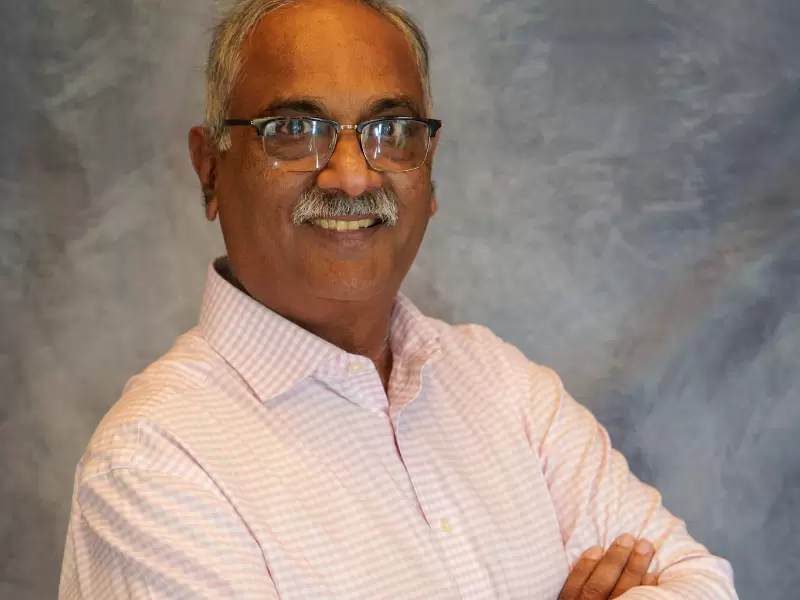
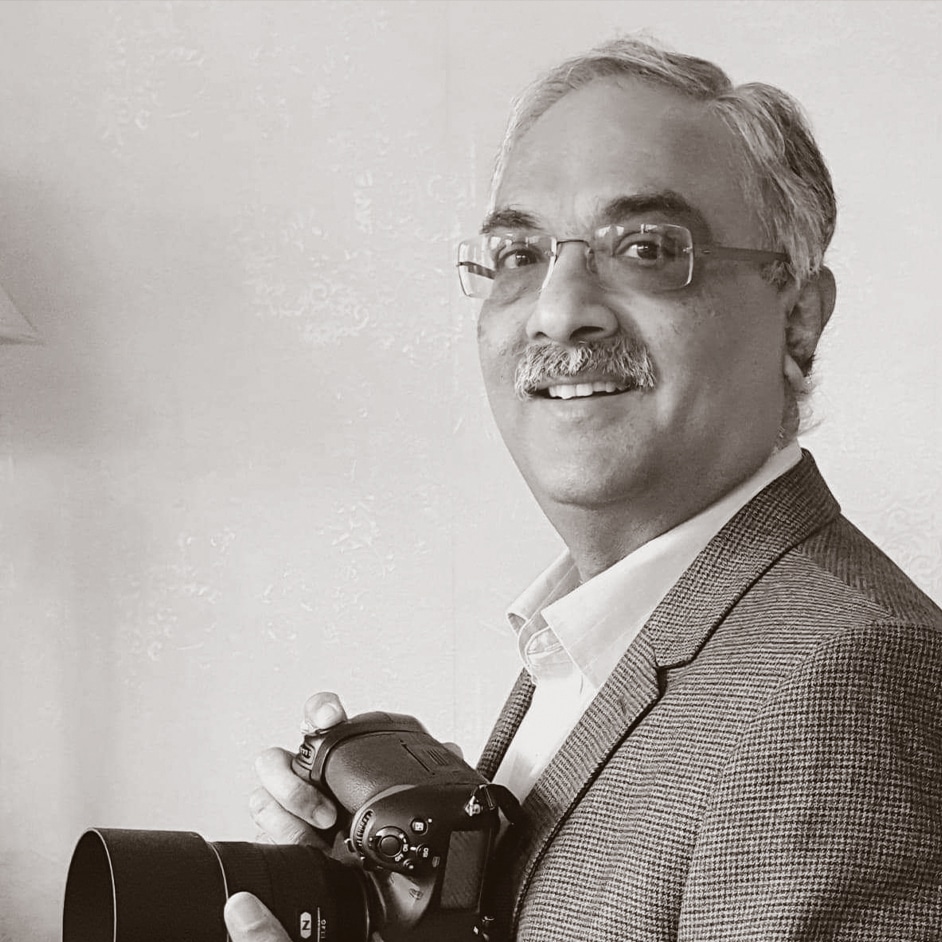
Award-winning Indian-born photographer Hermann Rodrigues has spent the past 35 years documenting the lives, journeys, and evolving identities of Scotland’s South Asian communities.
Now, that decades-long body of work comes together in Broon Scots: Snapshots of Scotland’s South Asian Diaspora, an exhibition on view at the North Edinburgh Arts Centre from Aug. 6-29.
In an interview with New India Abroad, the Edinburgh-based photographer reflected on the inspiration behind the project, the changing face of Scotland’s South Asian communities, and the legacy he hopes the exhibition will leave for future generations.
When Hermann Rodrigues, a photographer who grew up in Jaipur and now lives in Edinburgh, had the idea of photographing some of Scotland‘s South Asian community, he wanted his pictures to pack a punch. He chose Samera Ashraf, an award winning Pakistani kick boxer-cum-comedian as his first subject for his exhibition which he has named “Broon Scots”.
Mr. Rodrigues, 52, moved to Scotland in 1990 to join his wife who was studying at the University of Edinburgh at the time and one of the first things he noticed was the country’s strong South Asian community.
In an exclusive interview with DESIblitz, the acclaimed artist Hermann Rodrigues discusses his photography career and much more.
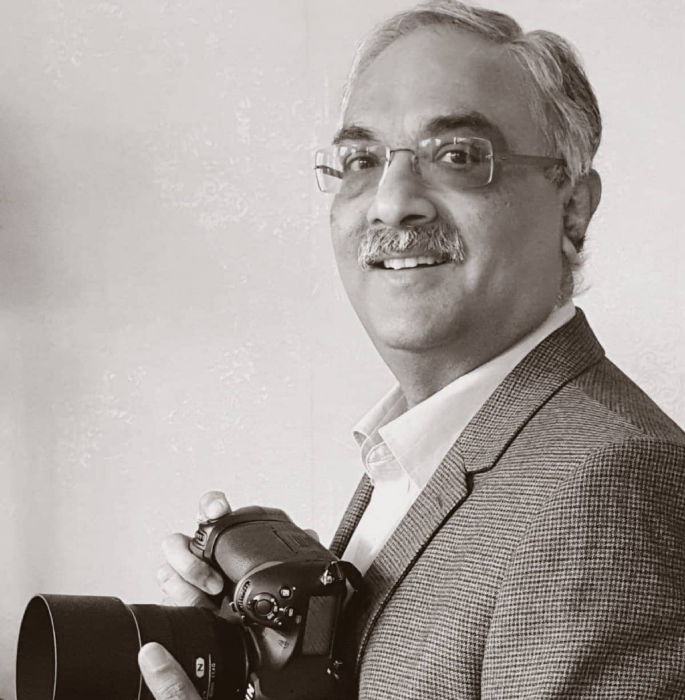
Hermann Rodrigues is a beacon of representation and talent in the realm of photography.
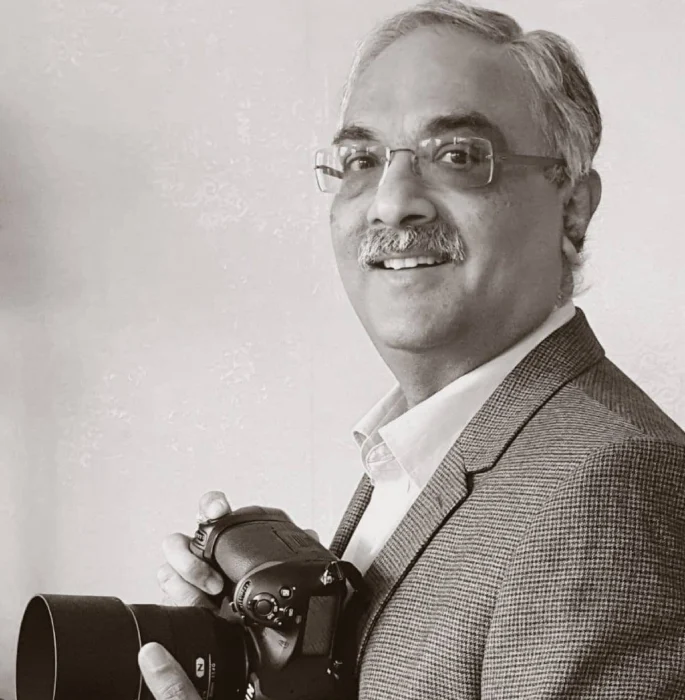
Based in Edinburgh, Scotland, Hermann is a documentary and travel photographer.
In a prolific career, he has recorded important aspects including community history, immigration, professions, and historical buildings.
Hermann Rodrigues has an ingrained passion for South Asian representation, which includes Indian, Sri Lankan, Pakistani, and Bengali groups.
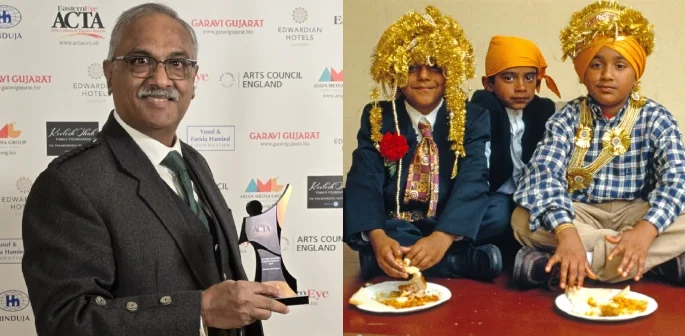
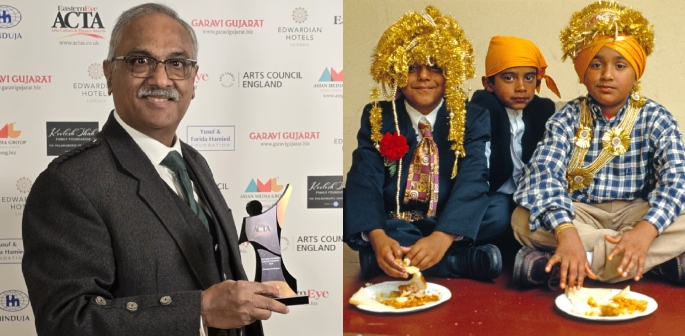
In 2024, he was awarded ‘Asian Photographer of the Year’ by the Eastern Eye and Eastern Media Group in London.
With a goal towards expressing the South Asian culture of Scotland, Hermann has highlighted representation through his art in a refined manner.
In our exclusive interview, Hermann Rodrigues delved into his penchant for photography, the Scottish representation of South Asians and more.
What inspired you to be a photographer?
I have always been attracted to the camera. Carrying the camera everywhere has been second nature to me since my childhood.
All my pocket money as a child was spent on rolls of film and getting prints of the photos.
My main subjects were my family, cousins and extended family. And boy, did I have a large family!
To me, it still is the best tool to record and convey positivity, beauty and and of course, the heartwarming stories of the South Asian community in Scotland.
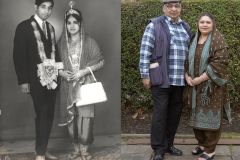
When I first arrived here in Scotland in 1990, the South Asian community was quite small and in distinct pockets around the country.
In the early 1990s, I used to find it surprising that we were all called Asians, but most people did not know that that meant a land mass the size of Europe, with varied and different cultures, religions, and languages.
I found the banner of Asians quite restricting, and I decided to use my camera to show the differences within the communities.
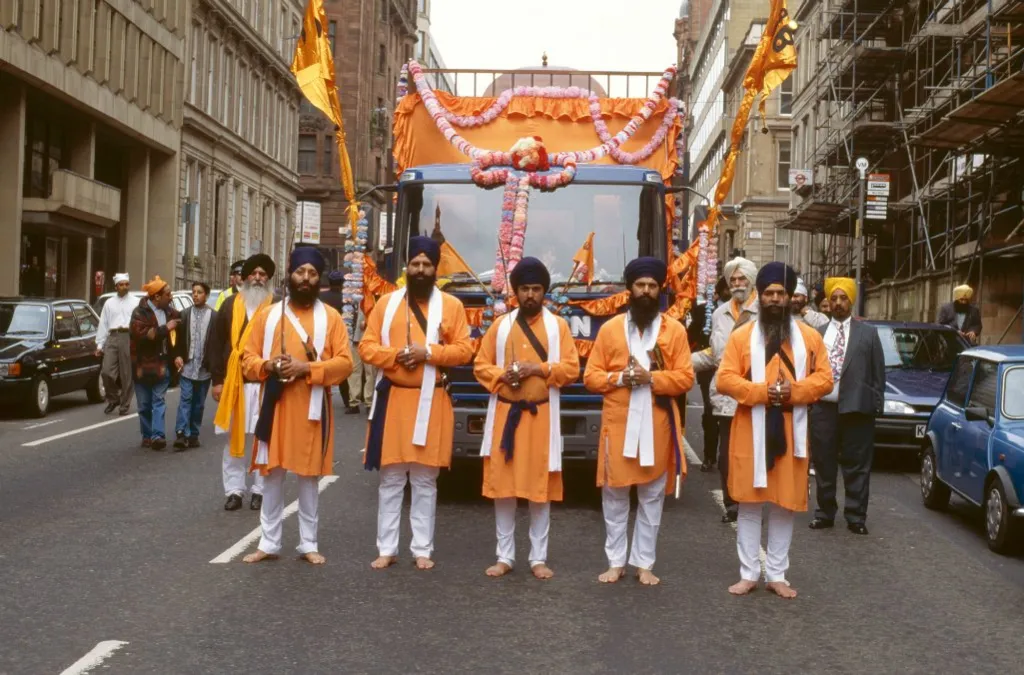
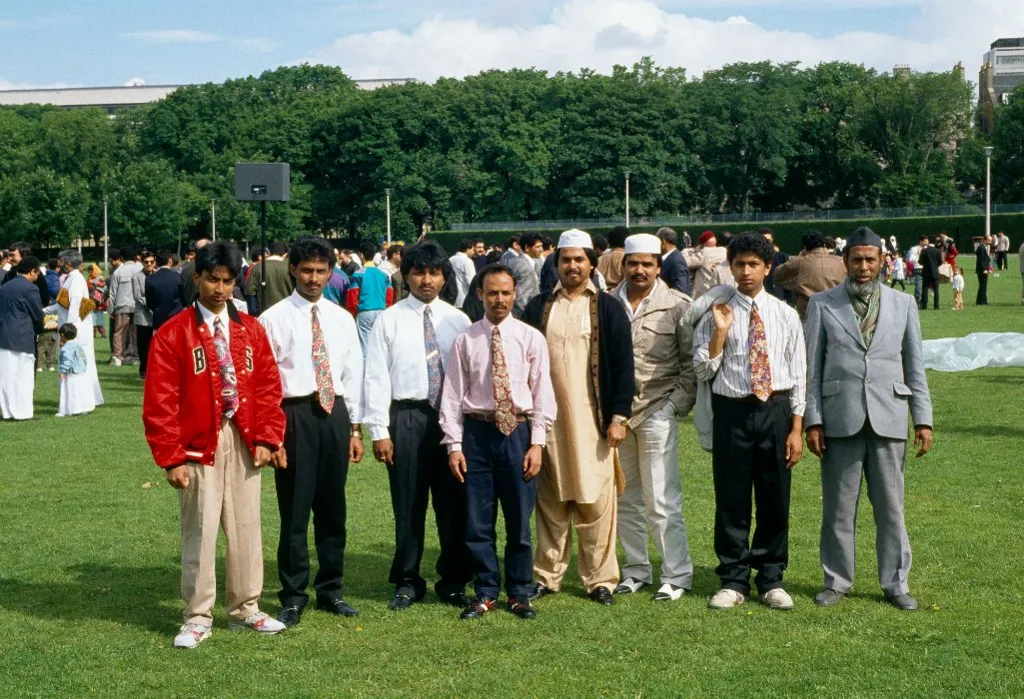
I went to every gathering, be it Sikh, Muslim, Hindu, Pakistani, Indian or Bangladeshi.
I also travelled to different parts of Scotland. You have to remember those were pre internet days and you travelled anywhere without any information whatsoever.
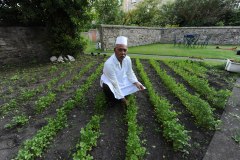
I went to Stornoway in the Outer Hebrides, which had about 40 people of Pakistani origin who spoke Gaelic and had made their home since the 1950s. Their stories fascinated me.
It took me a while to be accepted because these communities were not photographed as frequently before.
But once they realised that I stood for only positive stories, I was welcomed well.
Do you feel South Asians from Scotland are represented enough? If not, what more can be done to improve this?
I think South Asians have come a very long way. In the 1940s and 1950s, most migrants were for labour and were economic migrants.
They worked extremely hard to establish themselves.
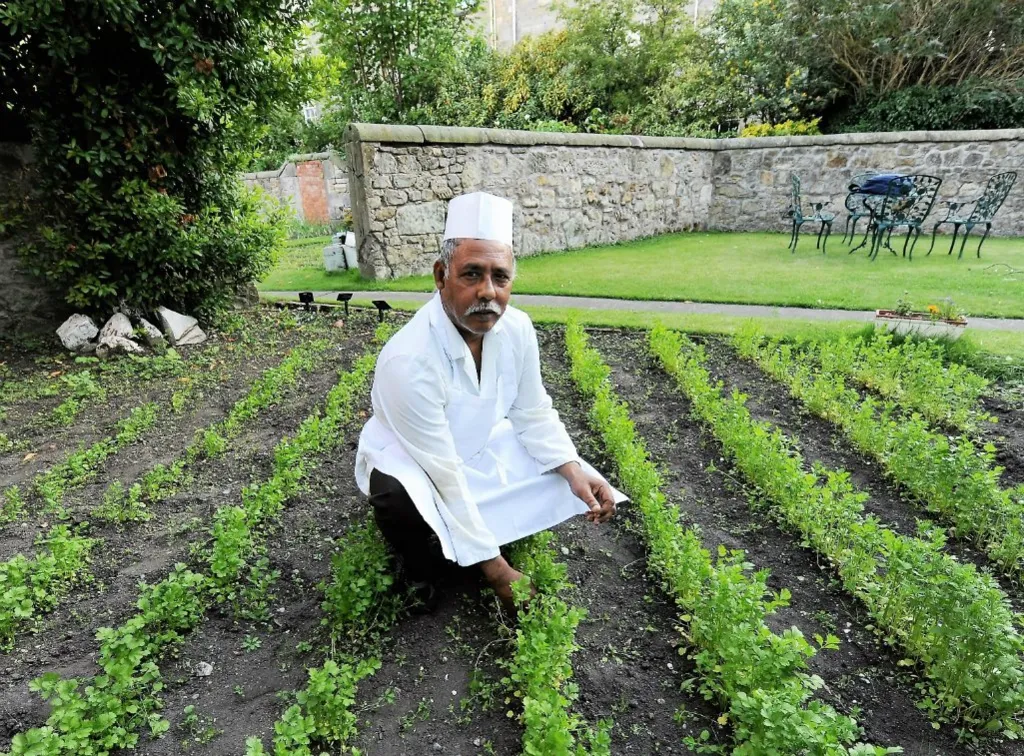
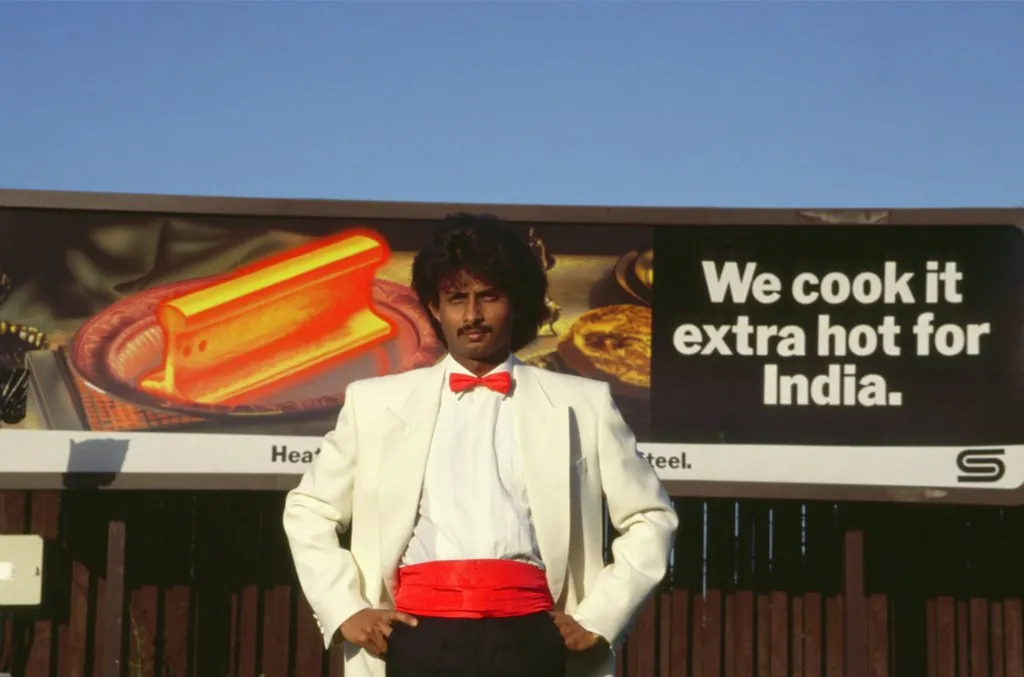
In the 1980s and 1990s, it was stereotypical for South Asians to be bus drivers, corner shop owners and curry house owners, barring a few in medicine and academia.
But lately, with the requirement of people from South Asia in the IT Sector and the Medical Sector, the community has changed drastically.
The new community comes with good pay packages and are in position to enjoy Scotland in far better ways than the previous communities did.
What is it about Scotland that South Asians can enjoy? Is there anything specific you would recommend?
Like South Asia, Scotland is also rich in colour, heritage, passion for life and traditions, which South Asians are quick to pick up and make their own.
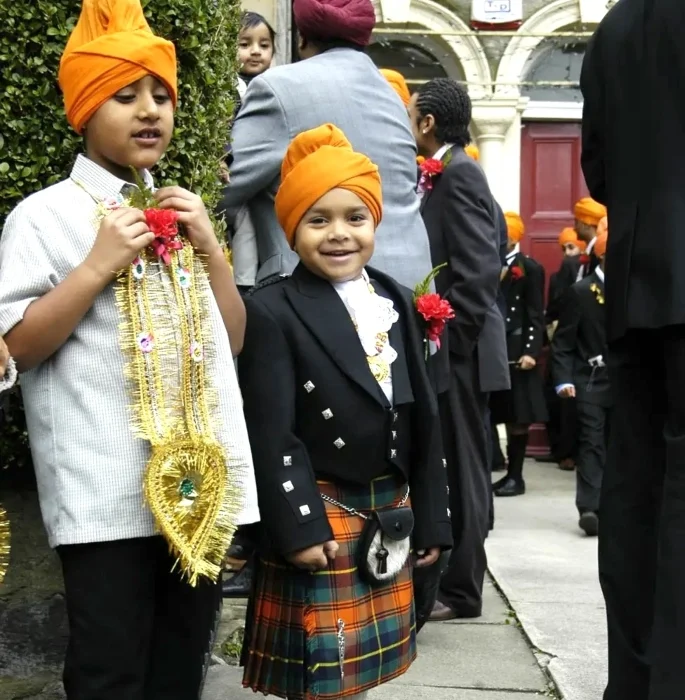
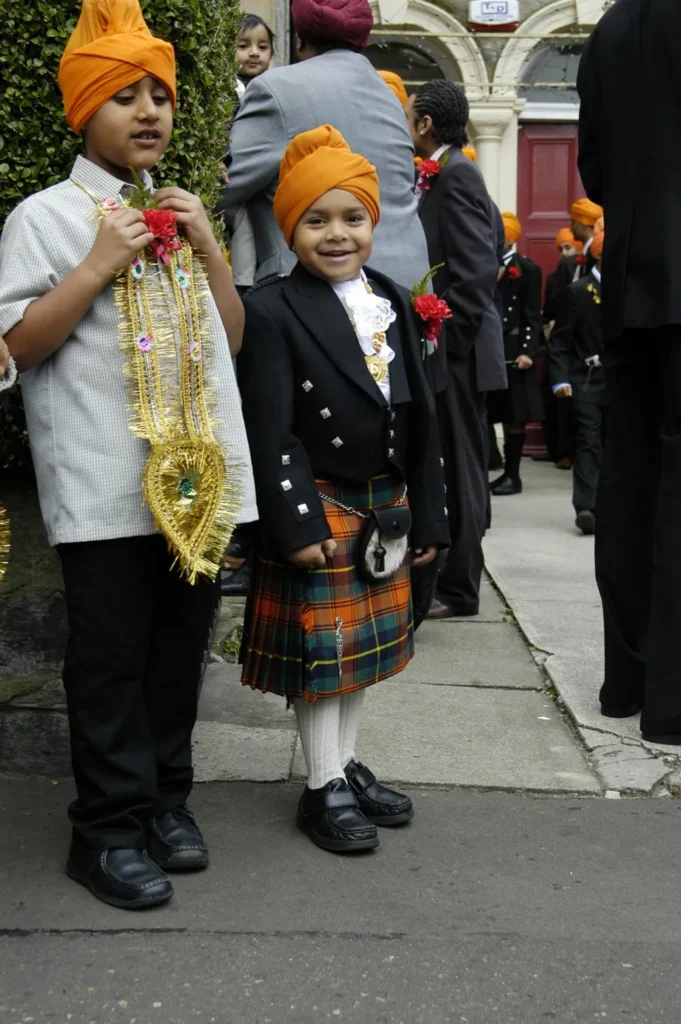
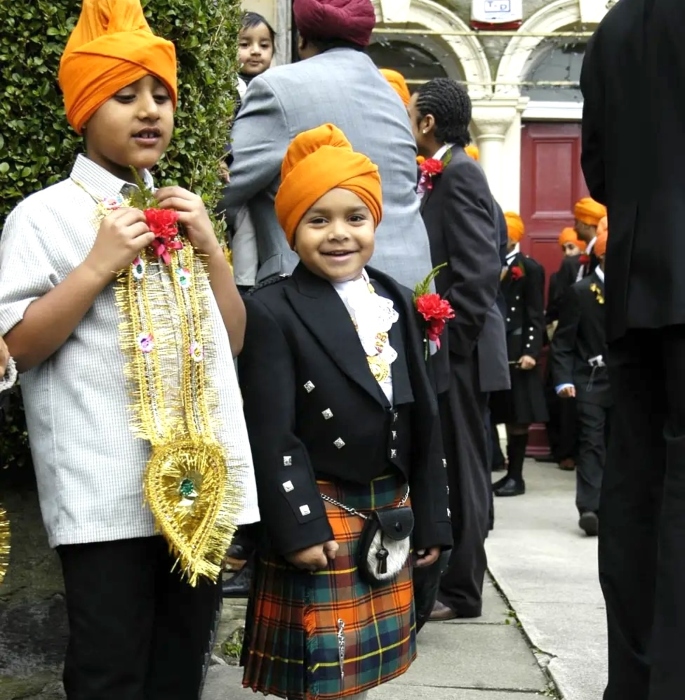
I discovered that quite a few Scottish Tartans were owned by the Sikhs, for example, who consider their Scottishness as a matter of immense pride.
They embrace and celebrate the cultural side of Scotland alongside their own rich culture.
In terms of natural beauty, Scotland has amazing destinations to explore. Castles, Nature walks, hill climbing, history – Scotland has amazing things to offer.
Through photography, I have not only enjoyed capturing South Asians but also fascinating connections between India and Scotland.
For example their is a town called Patna here in Ayrshire which is named after Patna in Bihar, East India.
There is an area called Vellore near Falkirk named after Vellore in Tamil Nadu.
You can harp about the negatives of the British Raj as much as you like, but as a photographer, I find these connections fascinating.
What does travelling give you as a creative person and would you recommend it to others?
My biggest passion has been to photograph and document the South Asians of Scotland. I travel everywhere in Scotland.
I am too focused and single-minded on this project. Travelling expands your mind. Creative people see life differently.
When you travel, soak in all the sights and sounds of a new destination with your unique perspective.
What advice would you give to other Desi people who wish to pursue photography?
I think there are two sides to photography if you were to make it a profession.
One is to earn your bread and butter with photography. Which is to do weddings, photoshoots, etc.
The other is to capture things they really are fascinated with. It could be wildlife, birds, or anything that pleases their being.
Photographers also have a mission as artists, and it is to discover what their mission is and continue pursuing it.
Ideally, I would love to visit countries like Fiji and Guyana to photograph the descendants of indentured labourers from India.
I would also like to put my work in an archive for it to be accessible because it is a good record of migration spread over 35 years or so.
Hermann Rodrigues is a connoisseur of photography with an original lens into the world.
His words about representation are as essential as they are inspiring.
Hermann’s work gives birth to a vast, unique, and exciting landscape.
Anyone looking to pursue photography should unquestionably explore Hermann’s art.
His achievements in photography will set them on the right path.
Through Kindred Eyes is an expression of the cultural links between Scotland and India through work by two South Asian artists living in Edinburgh.
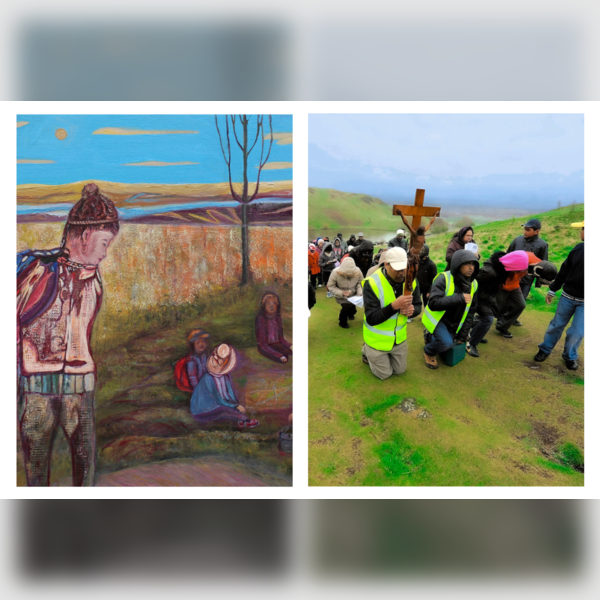
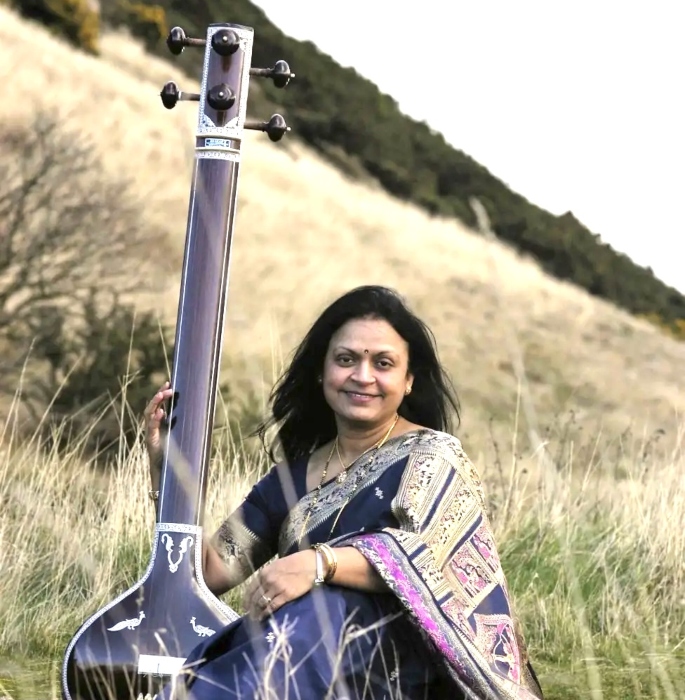
Amaranthine is a selection of oil paintings by Vibha Pankaj, a contemporary landscape artist who has lived in Edinburgh for 27 years. Her paintings are an amalgamation of memories from the past and observations of natural beauty from her treks in the Scottish hills. Her art navigates her deep-rooted connection with nature and its offer of hope, comfort, freedom and unconditional friendship. She uses colour and texture to evoke a sense of longing and belonging. Each canvas is an imagined visual story, inviting viewers into a contemplative space where memory and landscape dissolve into a feeling of joy and reflection.
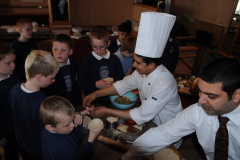
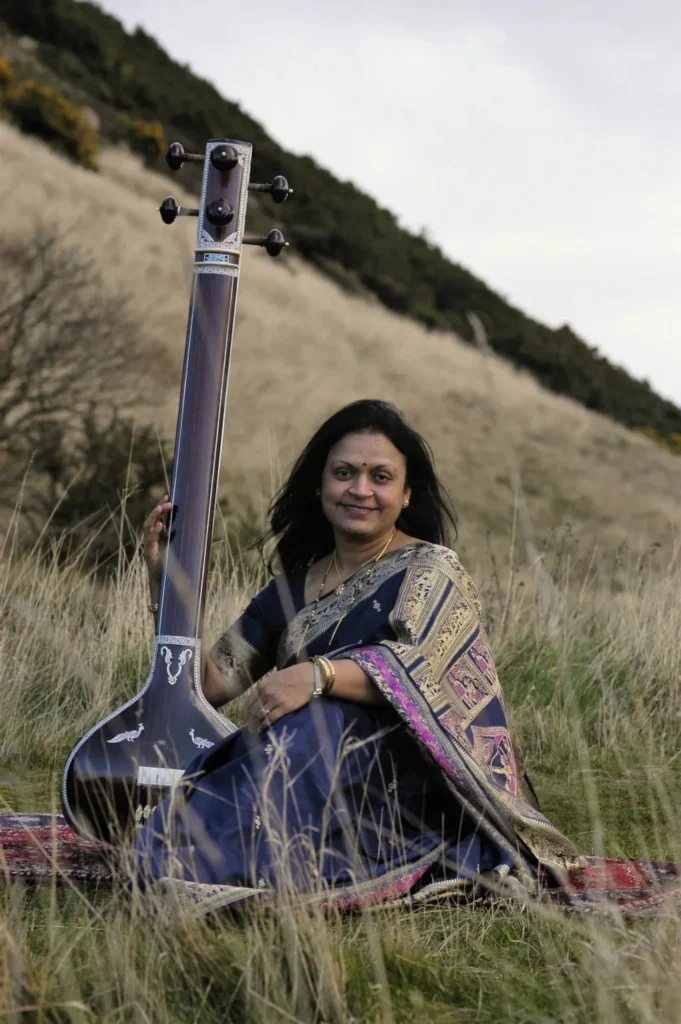
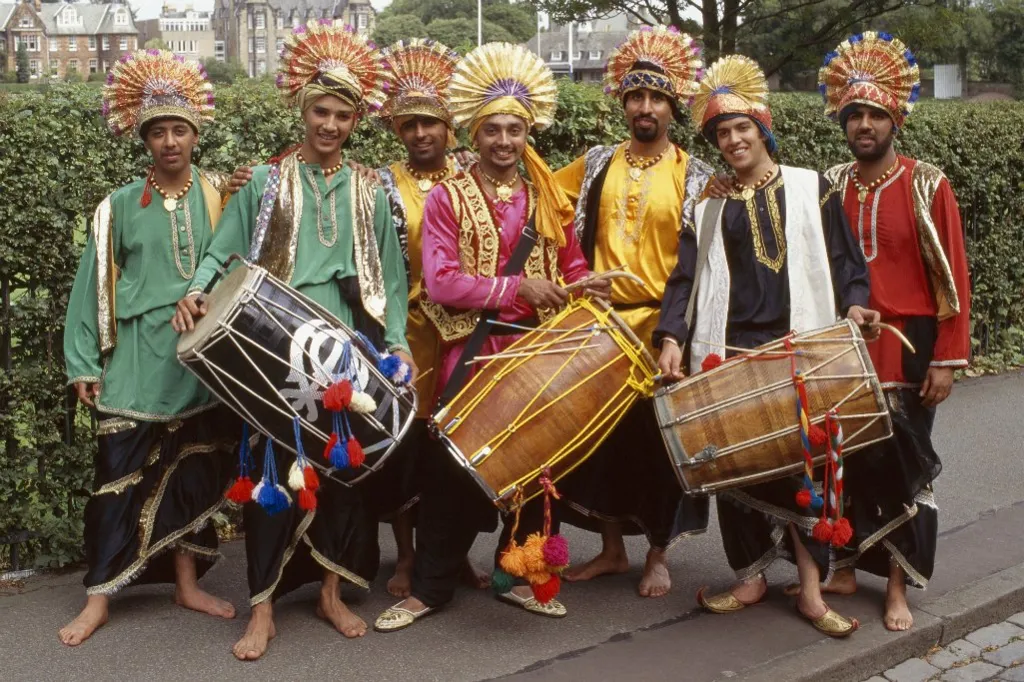
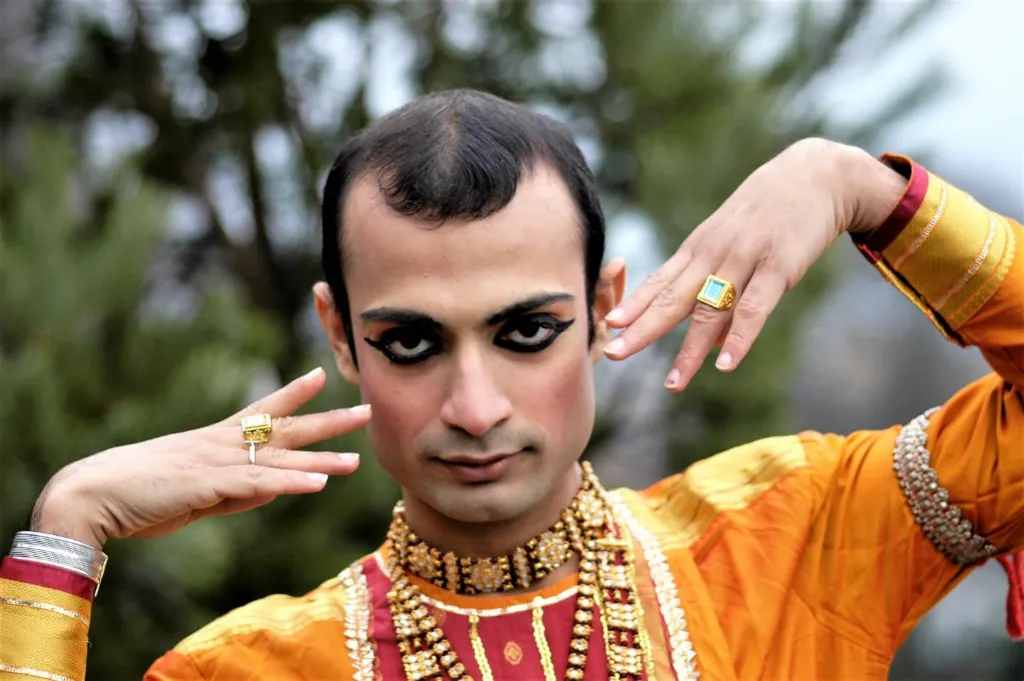
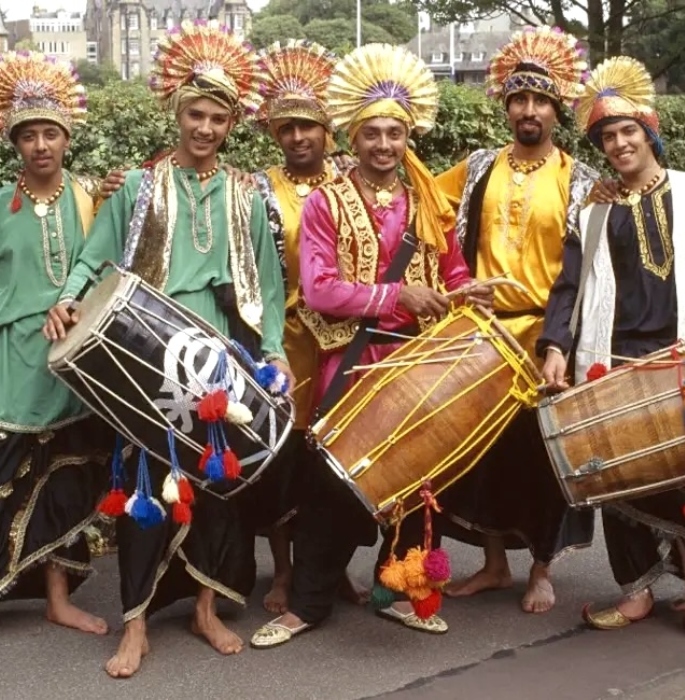
Broon Scots is led by documentary photographer Hermann Rodrigues and curated by Puravi Kumar. Since the 1990s, the collection has amassed thousands of images and stories of South Asians in Scotland, namely the Bangladeshi, Indian and Pakistani communities. Through Kindred Eyes includes selections from the collection’s major themes: Portraits, Gatherings and Monuments, along with a series titled Restaurants. Rodrigues’s passion has constructed windows into the varied lives, cultures, events and the everyday to break through stereotypes and celebrate a growing part of Scottish society.
Vibha Pankaj’s paintings and Rodrigues’ photographs share a kindred approach in their use of colour and in exploring their intertwined Scottish-Asian heritage. The exhibition accompanies the unveiling of a bust of poet Rabindranath Tagore directly outside the exhibition space in Sandeman House Garden.
One of photographer Hermann Rodrigues’ favourite jokes is about how the Tamil English accent comes from Scotland. “Just think about the way Tamilians pronounce mah-rige (marriage) or roll the word girl-uh (girl) — it sounds so Scottish!” he says, laughing. There are many more connections between South Asia and Scotland — apart from the shared love of Scotch, of course.
Over the last 23 years, Rodrigues and his camera have travelled across Scotland in search of these “crossovers” – interchanges between South Asians and Scots. He will be showing his work in an exhibition titled ‘Broon Scots’ at the University of Edinburgh this month. The 52-year-old Rodrigues, who was born and educated in Jaipur, moved to Scotland over two decades ago with his wife. “When I first came here, I was amazed by the number of South Asians here. But despite so many differences – of religion, culture, etc, – they were being put under the same umbrella of ‘ Asians’.” His endeavour is to bridge the gap between what the Scots know about South Asians and what South Asians know about each other and their roots. “When I visited Patna in East Ayrshire, I was surprised to learn its residents had no idea about the origin of its name,” he says of the small village named in the early 19th century by landowner William Fullarton after his birthplace in Bihar.
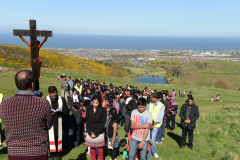
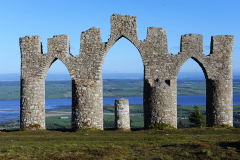
He’s made several serendipitous discoveries over the years – a secondary school in St Andrews called Madras College founded in 1833 by Andrew Bell, a Scottish Episcopalian priest who pioneered the Madras System of Education. “Not many know the monitorial system of education (brighter or older students tutoring others) has its origins in Tamil Nadu,” says Rodrigues. Then there’s the Fyrish monument, built by a British general of Scottish origin, Hector Munro. In 1781, Munro captured Negapatam, a Dutch outpost in Tamil Nadu, for the British who were battling France (a US ally) in the American Revolutionary War. “Munro commissioned this monument inspired by Negapatam gate to generate work for the locals,” says Rodrigues of the stone structure that stands atop Fyrish Hill near Alness, Easter Ross. His dogged pursuit of South Asian history led Rodrigues on a five-hour ferry journey to the Western Isles in Scotland where he found, among a Gaelic-speaking community of 5,000 inhabitants, descendants of immigrants from what is today Pakistan. “Can you imagine the courage it took for them to travel across the ‘kala paani’ over 70 years ago, to this cold, rough place to sell woollens?” he asks.
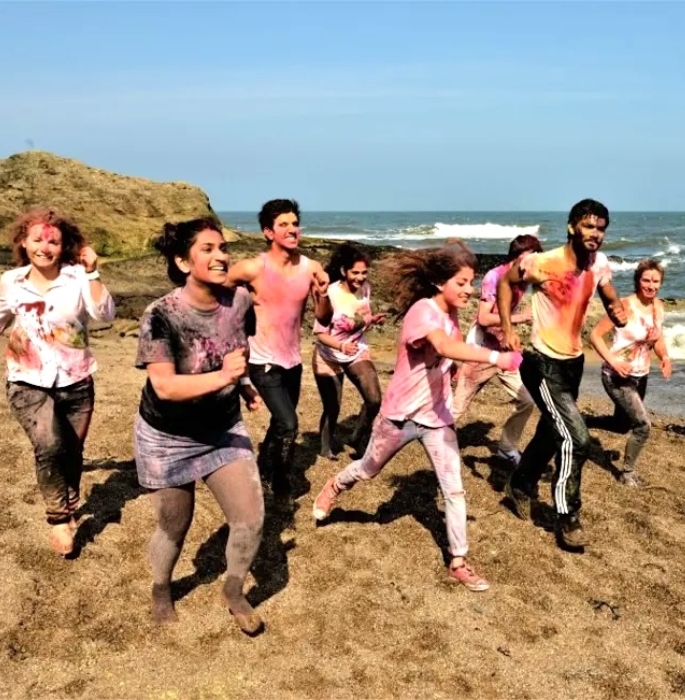
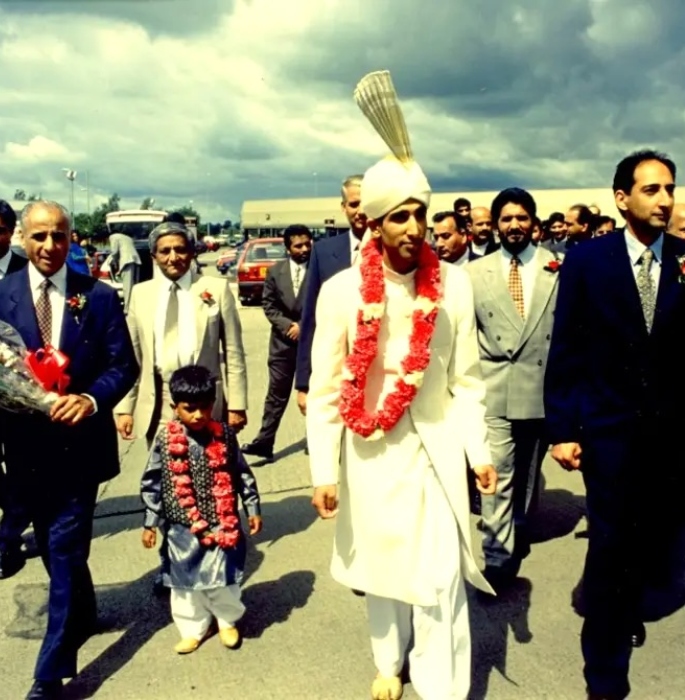
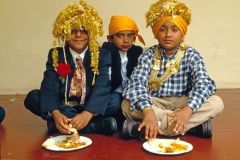
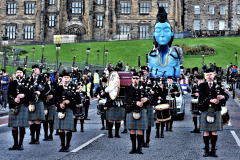
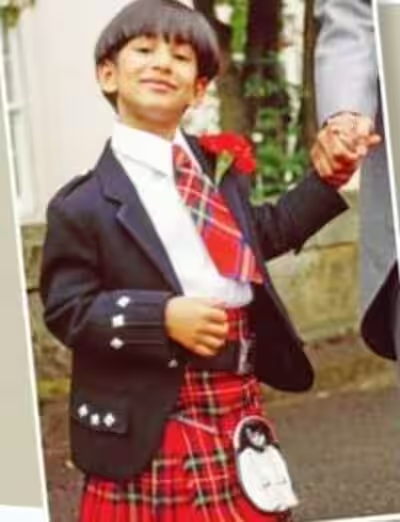
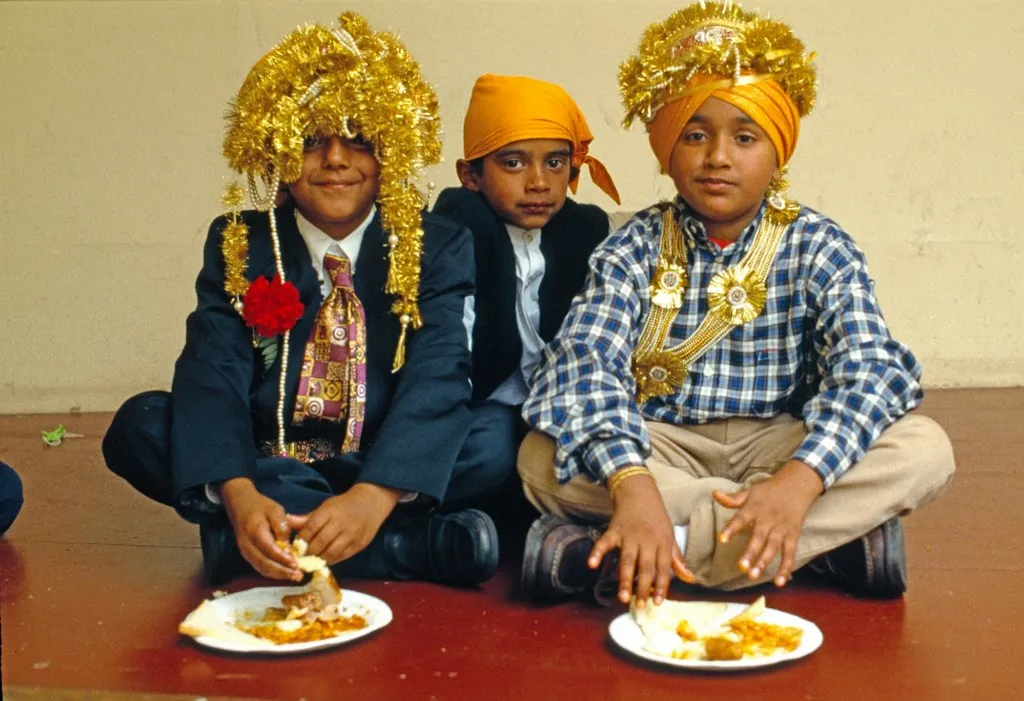
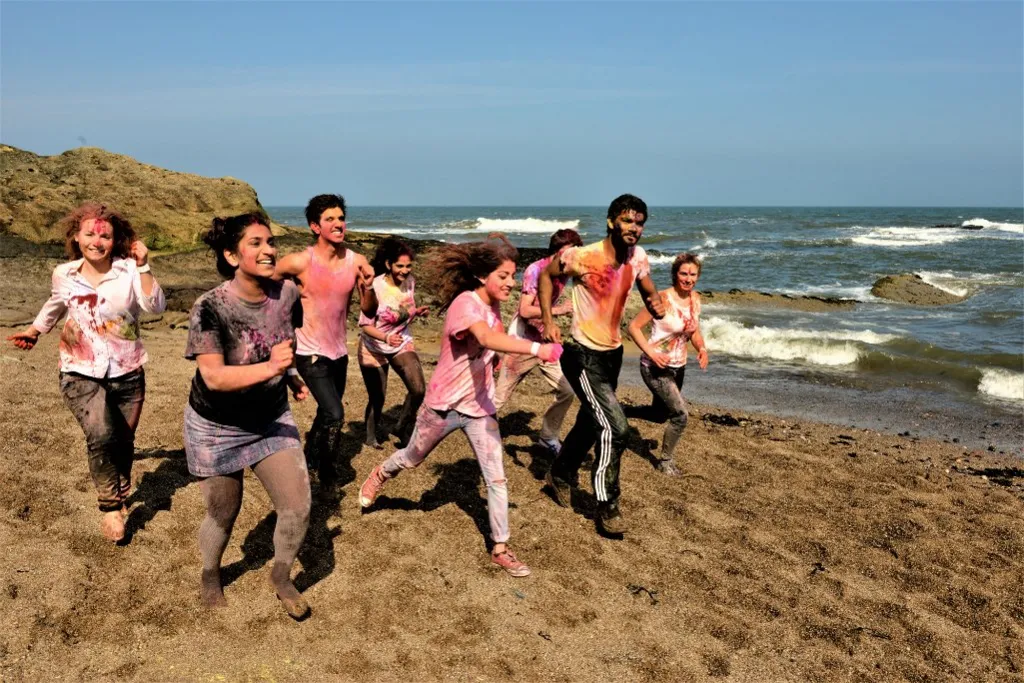
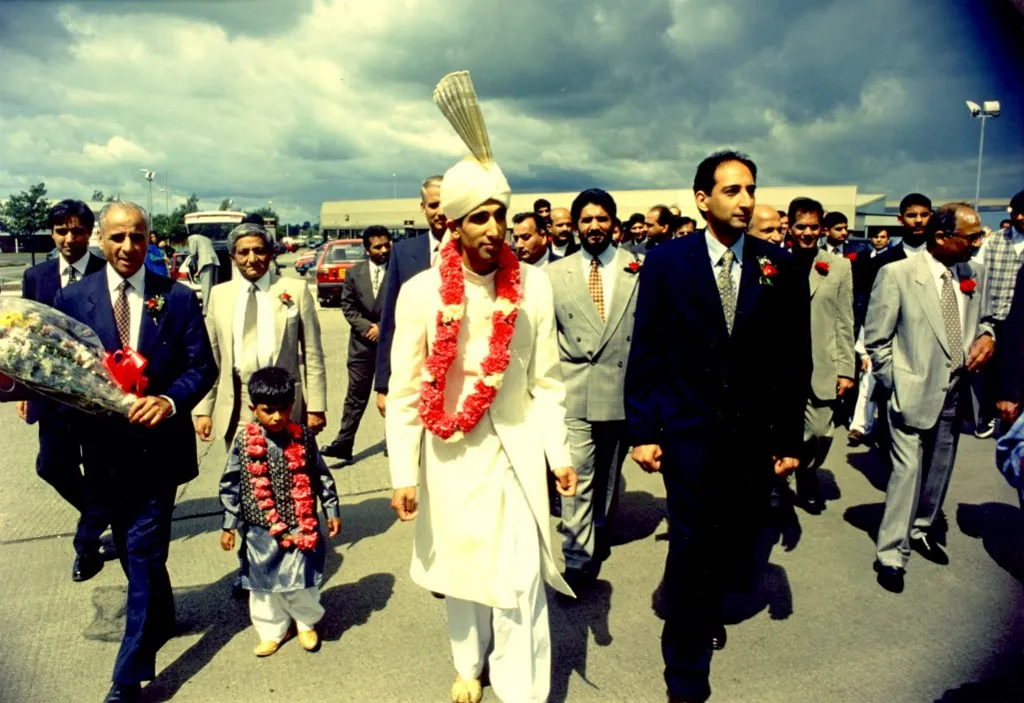
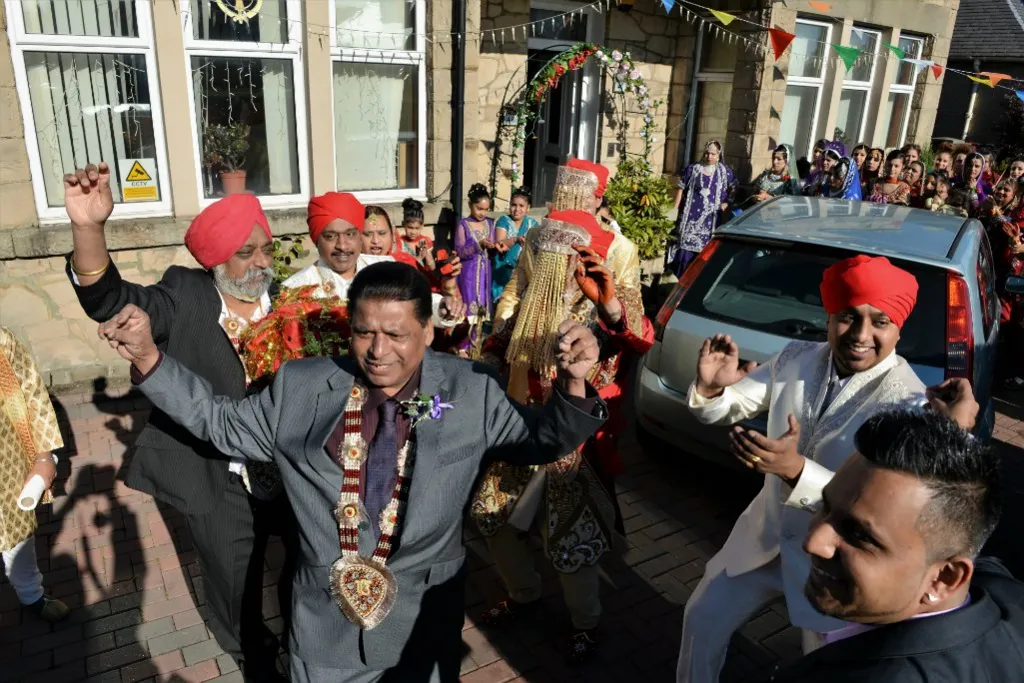
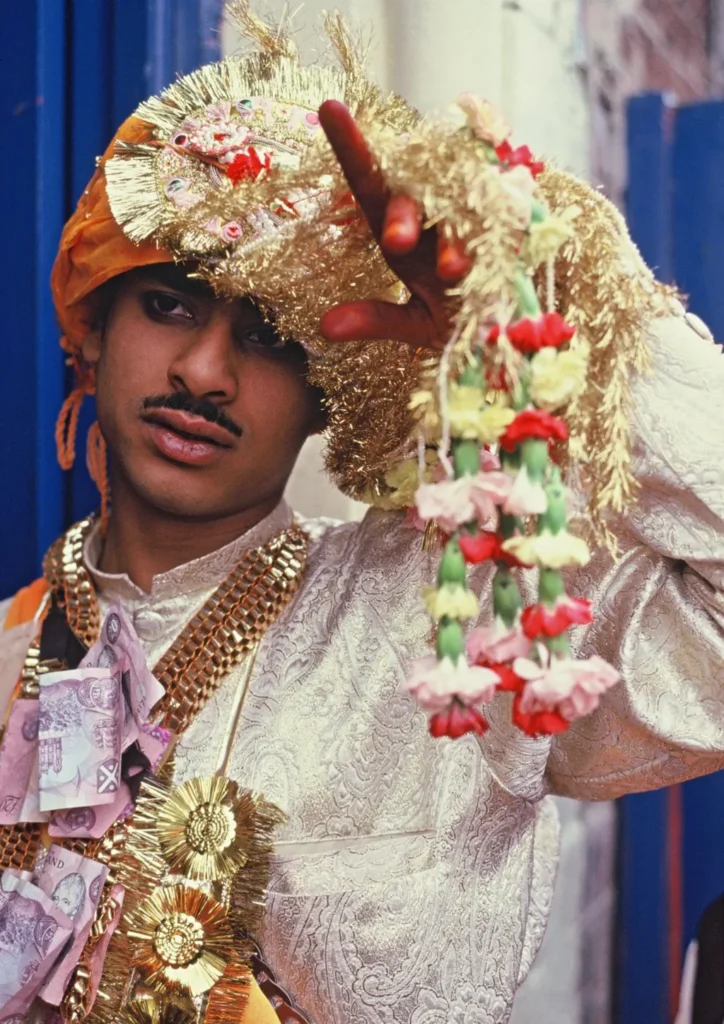
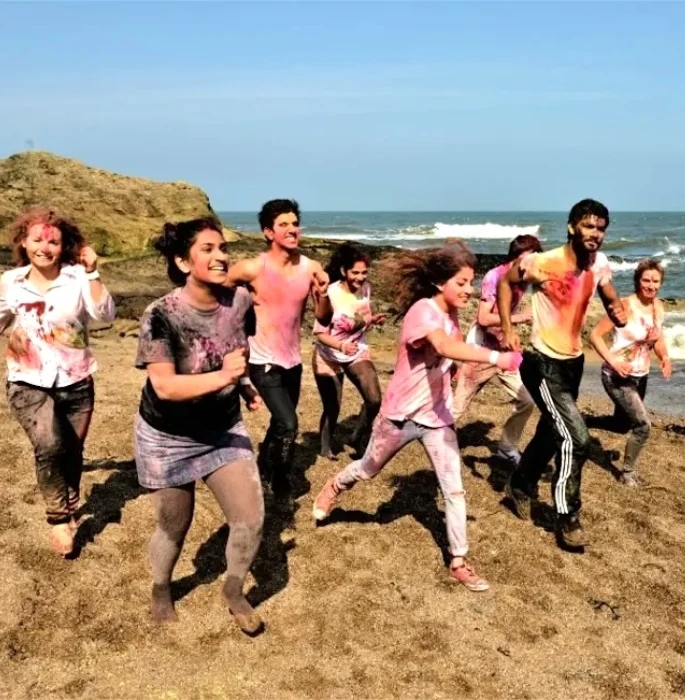
Other revelations include a Vellore Road in Falkirk town. “The Christian Medical College in Vellore, TN, was founded by the Scots. The constant stream of missionaries and educationists travelling between both countries explains why so many streets, buildings here have Indian names,” he says. His photos also capture how the immigrants have embraced Scottish culture while retaining their roots. At traditional weddings, for instance, attendees often sport kilts, dance to bagpipes and enjoy tandoori salmon on the menu. There is even a ‘Singh’ tartan -sky-blue background with a green and red plaid – that can be worn by any Asian of Scottish descent. Cultural outreach through melas and public celebrations is also a growing phenomenon.”Holi has been brought in by the student community
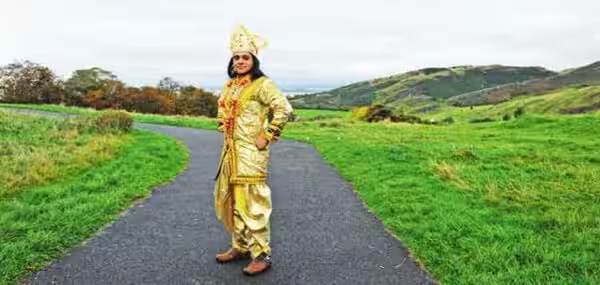
Rodrigues captures an Indian on his way to Dussehra celebrations in Edinburgh. Although South Asians are Scotland’s largest minority (2.7% are Asian, Scottish-Asian or British-Asian, according to the 2011 census), there are no signs of ethnic tensions like in England. “It could be because the immigrant community is not very large and seen as less threatening,” says Rodrigues. Even the term ‘ Broon’ -a colloquial Scottish word for brown -is not derogatory, he says.
Through Kindred Eyes is an expression of the cultural links between Scotland and India through work by two South Asian artists living in Edinburgh.
Amaranthine is a selection of oil paintings by Vibha Pankaj, a contemporary landscape artist who has lived in Edinburgh for 27 years. Her paintings are an amalgamation of memories from the past and observations of natural beauty from her treks in the Scottish hills. Her art navigates her deep-rooted connection with nature and its offer of hope, comfort, freedom and unconditional friendship. She uses colour and texture to evoke a sense of longing and belonging. Each canvas is an imagined visual story, inviting viewers into a contemplative space where memory and landscape dissolve into a feeling of joy and reflection.
Broon Scots is led by documentary photographer Hermann Rodrigues and curated by Puravi Kumar. Since the 1990s, the collection has amassed thousands of images and stories of South Asians in Scotland, namely the Bangladeshi, Indian and Pakistani communities. Through Kindred Eyes includes selections from the collection’s major themes: Portraits, Gatherings and Monuments, along with a series titled Restaurants. Rodrigues’s passion has constructed windows into the varied lives, cultures, events and the everyday to break through stereotypes and celebrate a growing part of Scottish society.
Vibha Pankaj’s paintings and Rodrigues’ photographs share a kindred approach in their use of colour and in exploring their intertwined Scottish-Asian heritage. The exhibition accompanies the unveiling of a bust of poet Rabindranath Tagore directly outside the exhibition space in Sandeman House Garden.
This exhibition is free and non-ticketed, however the exhibition space is sometimes used for private events so you may wish to call ahead to confirm it will be accessible for your visit.
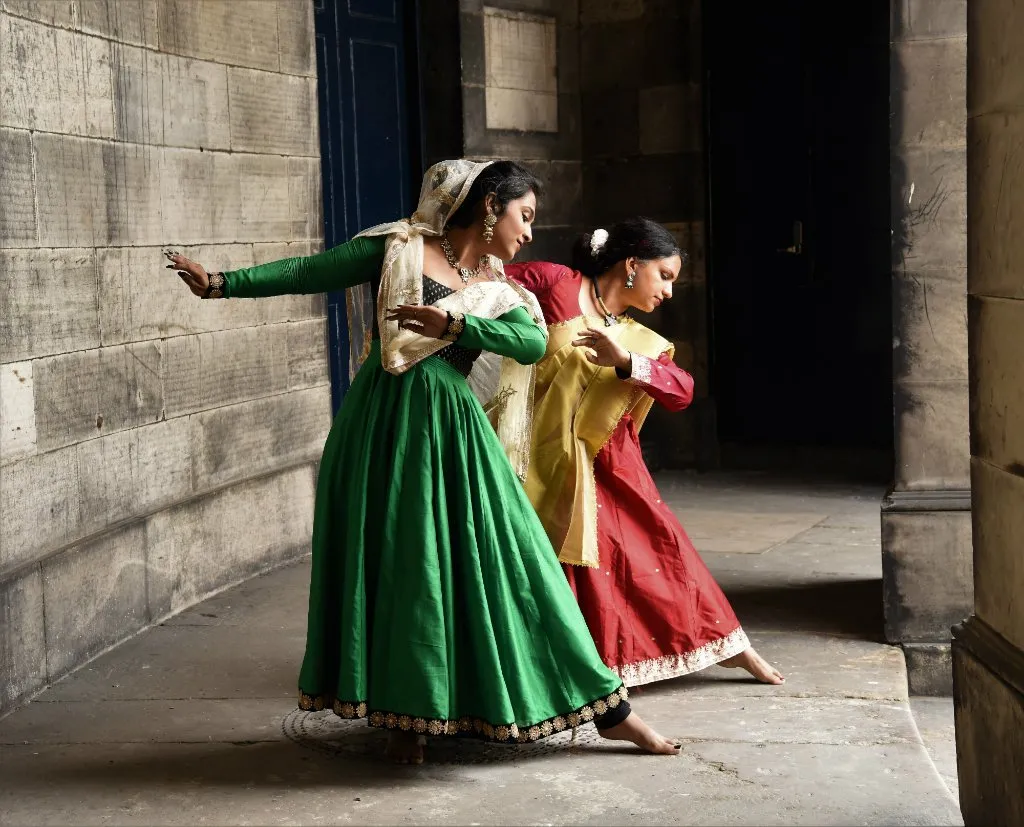
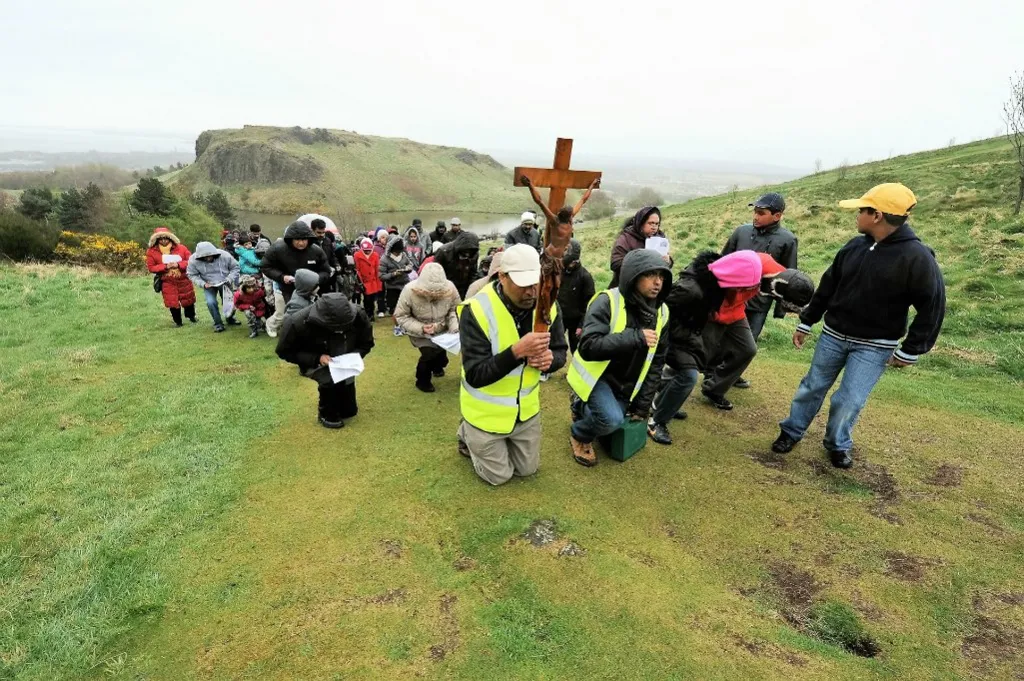
Edinburgh-based documentary and travel photographer, Hermann Rodrigues has recorded community history, new immigration, religions, professions, activities, historical buildings – and the Sikh Scottish tartan. Rodrigues is a photographer with a deep passion for the camera and the Asian community in Scotland, highlighting the diversity of South Asian lifestyles and cultures in Scotland from Dumfries to Stornoway in the Western Isles.
Rodrigues sees his work as having two interlocking purposes: firstly to express the ‘colour and vibrancy of the Asian community’ and secondly to highlight how they have imbibed themselves in Scottish culture. His vast collection of over 50,000 photographs give a glimpse of these cross-connections and are a celebration of this diversity. He continues to collect stories highlighting and celebrating the diversity of the South Asian community of Scotland.
Hermann’s work has been exhibited in many galleries including the Commonwealth Institute in London, the National Museums of Scotland, the National Libraries of Scotland and has also been featured in many pub- lications including The Times of India, the BBC and the Wall Street Journal and in a joint publication of photos and poems on migration and diaspora with Bashabi Fraser in Ragas & Reels (Edinburgh: Luath Press, 2012).
Hermann Rodrigues
Hermann Rodrigues is a photographer with a deep passion for the camera and the Asian community in Scotland.
When Hermann Rodrigues, a photographer who grew up in Jaipur and now lives in Edinburgh, had the idea of photographing some of Scotland‘s South Asian community, he wanted his pictures to pack a punch. He chose Samera Ashraf, an award winning Pakistani kick boxer-cum-comedian as his first subject for his exhibition which he has named “Broon Scots”.
Mr. Rodrigues, 52, moved to Scotland in 1990 to join his wife who was studying at the University of Edinburgh at the time and one of the first things he noticed was the country’s strong South Asian community.
In an exclusive interview with DESIblitz, the acclaimed artist Hermann Rodrigues discusses his photography career and much more.
Hermann Rodrigues is a beacon of representation and talent in the realm of photography.
Based in Edinburgh, Scotland, Hermann is a documentary and travel photographer.
In a prolific career, he has recorded important aspects including community history, immigration, professions, and historical buildings.
Hermann Rodrigues has an ingrained passion for South Asian representation, which includes Indian, Sri Lankan, Pakistani, and Bengali groups.
In 2024, he was awarded ‘Asian Photographer of the Year’ by the Eastern Eye and Eastern Media Group in London.
With a goal towards expressing the South Asian culture of Scotland, Hermann has highlighted representation through his art in a refined manner.
In our exclusive interview, Hermann Rodrigues delved into his penchant for photography, the Scottish representation of South Asians and more
What inspired you to be a photographer?
I have always been attracted to the camera. Carrying the camera everywhere has been second nature to me since my childhood.
All my pocket money as a child was spent on rolls of film and getting prints of the photos.
My main subjects were my family, cousins and extended family. And boy, did I have a large family!
To me, it still is the best tool to record and convey positivity, beauty and and of course, the heartwarming stories of the South Asian community in Scotland.
What was it about Scotland that you felt you needed to capture through your camera?
When I first arrived here in Scotland in 1990, the South Asian community was quite small and in distinct pockets around the country.
In the early 1990s, I used to find it surprising that we were all called Asians, but most people did not know that that meant a land mass the size of Europe, with varied and different cultures, religions, and languages.
I found the banner of Asians quite restricting, and I decided to use my camera to show the differences within the communities.
I went to every gathering, be it Sikh, Muslim, Hindu, Pakistani, Indian or Bangladeshi.
I also travelled to different parts of Scotland. You have to remember those were pre internet days and you travelled anywhere without any information whatsoever.
I went to Stornoway in the Outer Hebrides, which had about 40 people of Pakistani origin who spoke Gaelic and had made their home since the 1950s. Their stories fascinated me.
It took me a while to be accepted because these communities were not photographed as frequently before.
But once they realised that I stood for only positive stories, I was welcomed well.
Do you feel South Asians from Scotland are represented enough? If not, what more can be done to improve this?
I think South Asians have come a very long way. In the 1940s and 1950s, most migrants were for labour and were economic migrants.
They worked extremely hard to establish themselves.
In the 1980s and 1990s, it was stereotypical for South Asians to be bus drivers, corner shop owners and curry house owners, barring a few in medicine and academia.
But lately, with the requirement of people from South Asia in the IT Sector and the Medical Sector, the community has changed drastically.
The new community comes with good pay packages and are in position to enjoy Scotland in far better ways than the previous communities did.
What is it about Scotland that South Asians can enjoy? Is there anything specific you would recommend?
Like South Asia, Scotland is also rich in colour, heritage, passion for life and traditions, which South Asians are quick to pick up and make their own.
I discovered that quite a few Scottish Tartans were owned by the Sikhs, for example, who consider their Scottishness as a matter of immense pride.
In terms of natural beauty, Scotland has amazing destinations to explore. Castles, Nature walks, hill climbing, history – Scotland has amazing things to offer.
Through photography, I have not only enjoyed capturing South Asians but also fascinating connections between India and Scotland.
For example their is a town called Patna here in Ayrshire which is named after Patna in Bihar, East India.
There is an area called Vellore near Falkirk named after Vellore in Tamil Nadu.
You can harp about the negatives of the British Raj as much as you like, but as a photographer, I find these connections fascinating.
What does travelling give you as a creative person and would you recommend it to others?
My biggest passion has been to photograph and document the South Asians of Scotland. I travel everywhere in Scotland.
I am too focused and single-minded on this project. Travelling expands your mind. Creative people see life differently.
When you travel, soak in all the sights and sounds of a new destination with your unique perspective.
What advice would you give to other Desi people who wish to pursue photography?
I think there are two sides to photography if you were to make it a profession.
One is to earn your bread and butter with photography. Which is to do weddings, photoshoots, etc.
The other is to capture things they really are fascinated with. It could be wildlife, birds, or anything that pleases their being.
Photographers also have a mission as artists, and it is to discover what their mission is and continue pursuing it.
Ideally, I would love to visit countries like Fiji and Guyana to photograph the descendants of indentured labourers from India.
I would also like to put my work in an archive for it to be accessible because it is a good record of migration spread over 35 years or so.
Hermann Rodrigues is a connoisseur of photography with an original lens into the world.
His words about representation are as essential as they are inspiring.
Hermann’s work gives birth to a vast, unique, and exciting landscape.
Anyone looking to pursue photography should unquestionably explore Hermann’s art.
His achievements in photography will set them on the right path.
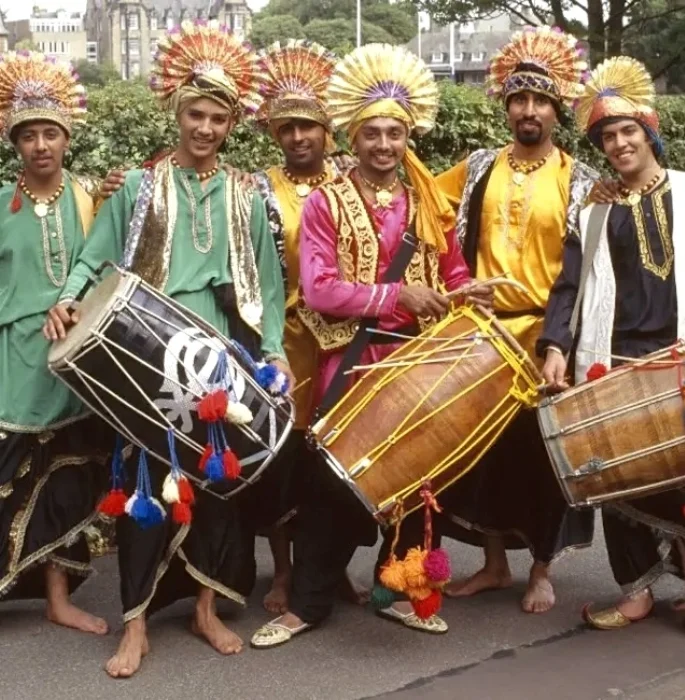
See more pictures taken by Hermann Rodrigues in our special gallery: